
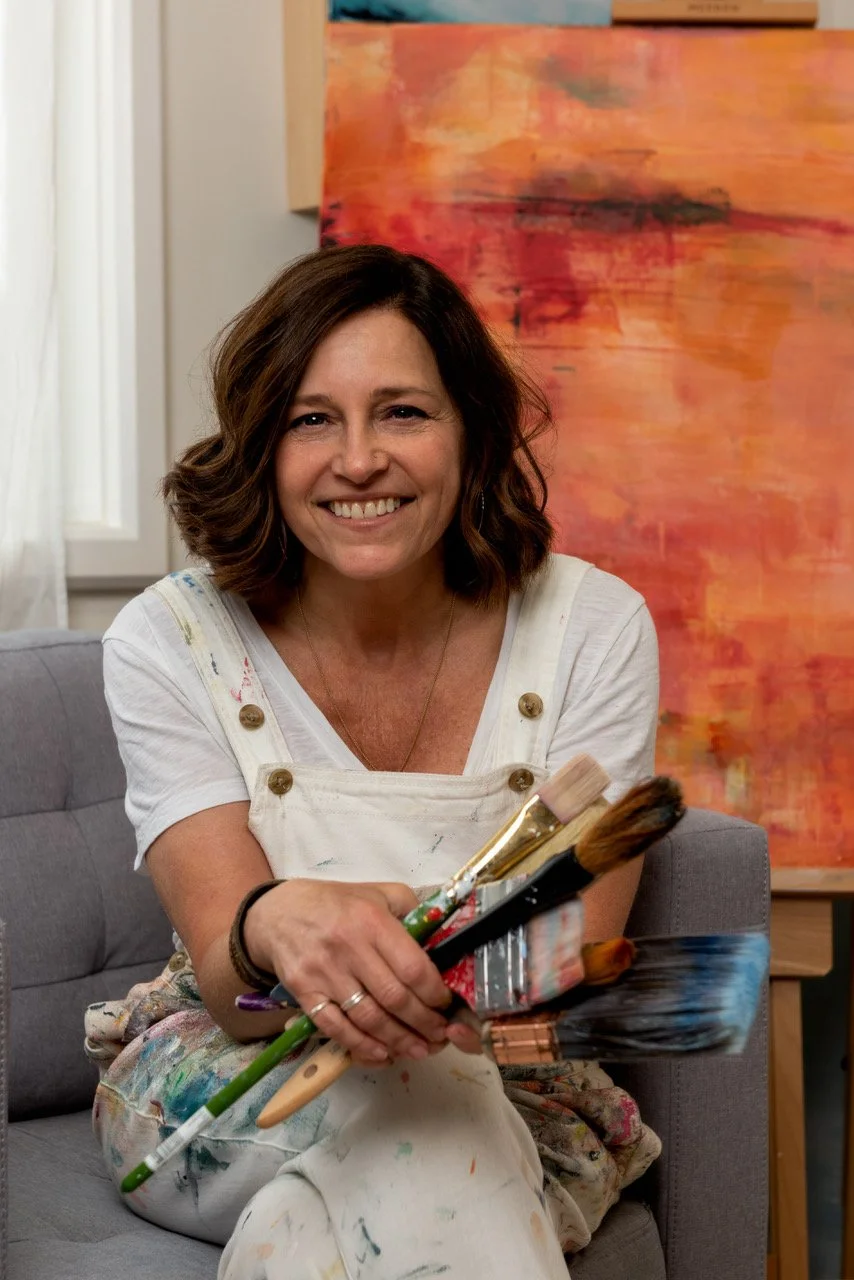
About
As a nurse, I’ve spent my career caring for patients, so a natural evolution occurred when I began painting as a way to find balance in my life. When I realized that my paintings also provided solace and peace to others, I knew I had discovered a new way to express my passion for healing.
My primary medium is acrylic, which I use to create calming and healing paintings that reflect the beauty and complexity of the natural world. In my work, I strive to create images that evoke a sense of calm and tranquility while sparking the imagination and inspiring the viewer to explore new perspectives and possibilities. I believe that art has the power to restore, uplift, and transform and I am committed to using my artwork to promote healing and wellness in myself and others.
Whether I am painting a landscape, a seascape, or an abstract expression, my goal is always the same: to create a sense of beauty, wonder, and hope that can bring comfort and joy to those who need it most. I am honored to share my art with others and hope my work will continue to inspire and uplift for many years to come.
-
A. Amygdala
B. Prefrontal cortex
C. Brainstem
D. Cerebellum -
Correct answer: B. Prefrontal cortex.
This region supports focus, clarity, and emotional regulation. -
A) Burnout is mainly due to systemic work stress, while compassion fatigue arises from the emotional toll of caregiving
B) Burnout affects only new nurses, while compassion fatigue affects experienced nurses
C) Compassion fatigue results from physical exhaustion, while burnout is purely emotional
D) Burnout and compassion fatigue are identical in symptoms but differ in severity
-
Correct Answer: A
Burnout is primarily associated with chronic occupational stressors such as workload intensity, time pressures, and systemic demands within the healthcare environment. Compassion fatigue, by contrast, arises from the emotional and empathic strain of caring for patients in distress and reflects the cumulative impact of repeated exposure to suffering or trauma.
-
A) Immediate but short-lived stress relief
B) Long-lasting improvements in emotional regulation and resilience
C) Increased stress due to the demands of creative activities
D) Better multitasking abilities in clinical settings
-
Correct Answer: B
Participants in the MCAT study demonstrated sustained improvements in emotional regulation, resilience, and overall psychological well-being. These gains persisted well beyond the intervention period, indicating that structured mindfulness and creative arts practices can support long-term stress reduction and strengthen adaptive coping in healthcare professionals.
Take a minute to write an introduction that is short, sweet, and to the point.
Module 1 Review and Reflect
Now that you have completed the module, take some time to move through the reflection prompt and the review questions. Your workbook includes additional prompts that build on this module, and spending time there supports both your learning and your CE credit.
Which sign of burnout or compassion fatigue (if any) do you most relate to right now, and what’s one small creative practice that could help you reset?
You can expand on this in your workbook under Module 1: Reconnecting and Resetting.
Tap each question to view the multiple-choice options. Open “Reveal Answer” when you’re ready to check your response.